This 13th c temple is located across the road from the much earlier Shatrughaneshwar group of temples (7th c). The mandap is detached from the sanctuary structure Continue reading


This 13th c temple is located across the road from the much earlier Shatrughaneshwar group of temples (7th c). The mandap is detached from the sanctuary structure Continue reading

Photos of the late-12th c Megheshwar Temple. Continue reading

This 12th c temple is different in design to the other Bhubaneswar temples, and the reason for that rests with the object of prayer inside the temple, which is a 3 meter high ‘lingam’. Continue reading
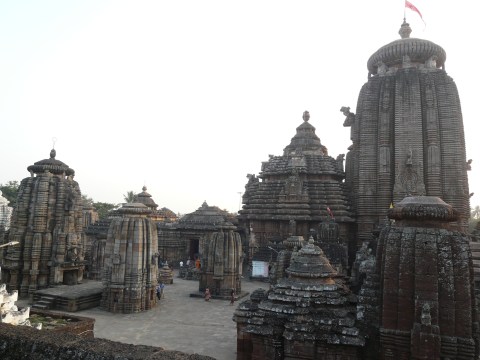
The Lingaraja Temple is the largest in Bhubaneswar, with the sanctum tower rising 36.5 meters. The temple is set in a large walled complex, with many smaller shrines and structures around it. Continue reading
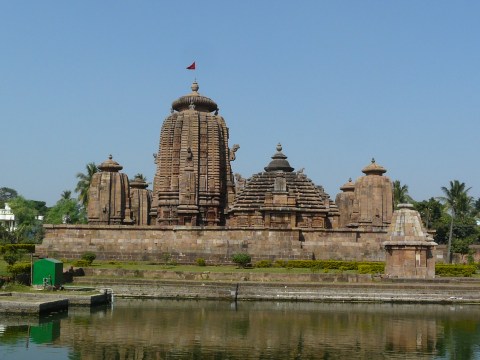
This mid-11th c example is the first we come across where the temple is set within a coherent walled complex with side shrines (in this case four corner shrines), and hints at the much larger complexes of the Lingaraja and Jagannath Puri temples. Continue reading
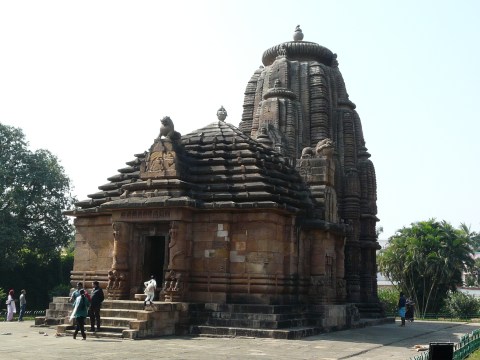
This temple from the early-11th c is contemporaneous with Siddheahwar, but the sanctuary exterior and tower (Rekha Deul) are much more profusely sculpted. Continue reading
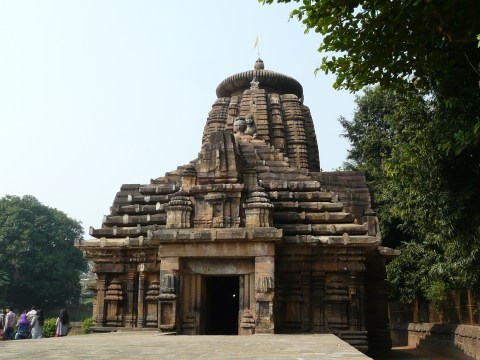
This temple is located adjacent to Mukteshwar temple, and was built in the early-11th c, just after Mukteshwar. Siddheshwar typifies the later Odia style, with a large, bold sanctuary tower (Rekha Deul) and square pyramidal mandap (Pidha Deul). Continue reading

Mukteshwar, from the late-10th c, is the transitional example from the earlier style represented by the Parashurameshwar temple, and the later period of Odia temple architecture. Continue reading
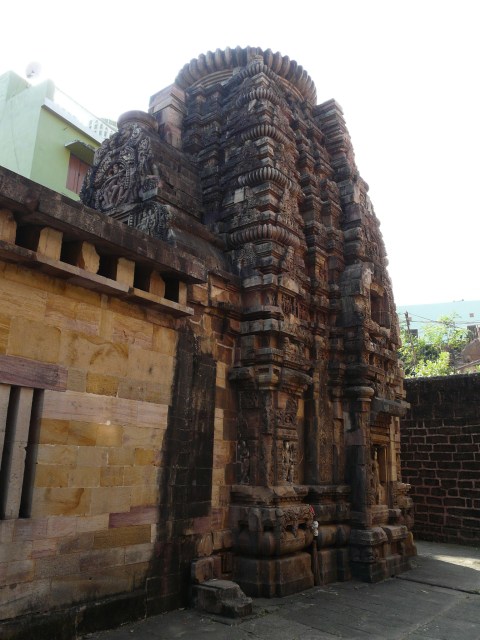
This temple, like the Mohini temple a short distance away, is located at the edge of the Bindu Sagar tank Continue reading
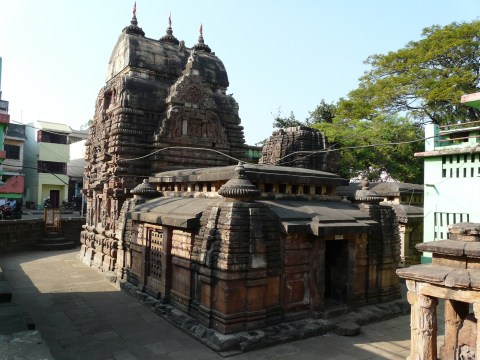
Vaital Deul, from the late-8th c, is a Devi (Durga) temple with a unique design. The sanctuary is rectangular as opposed to square, and so the tower above it is elongated. Continue reading
 Sarson ke Khet