Vaital Deul, from the late-8th c, is a Devi (Durga) temple with a unique design. The sanctuary is rectangular as opposed to square, and so the tower above it is elongated. Continue reading
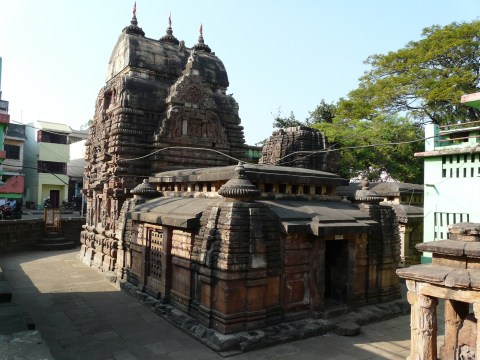

Vaital Deul, from the late-8th c, is a Devi (Durga) temple with a unique design. The sanctuary is rectangular as opposed to square, and so the tower above it is elongated. Continue reading
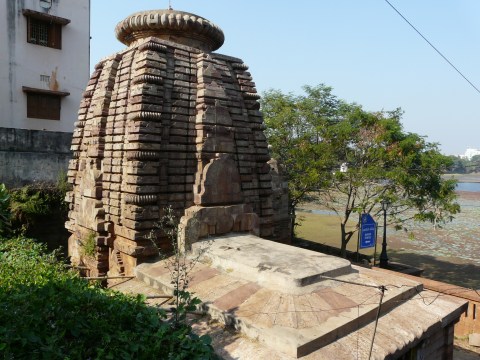
This late-8th c temple, on the southern bank of the Bindu Sagar tank, has a scheme similar to Parashurameshwar temple. Continue reading
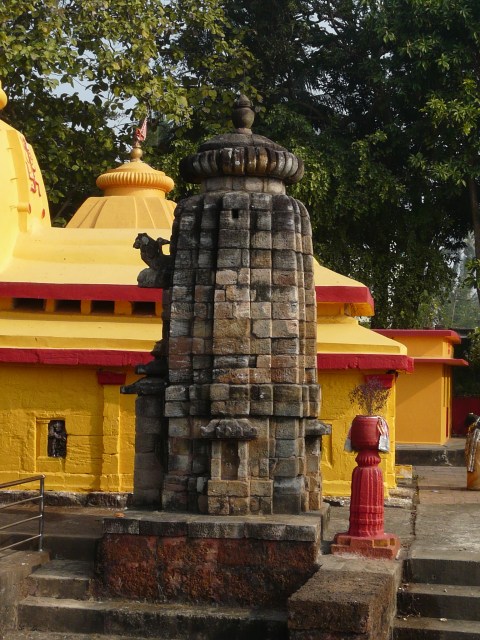
This temple complex lies to the north of Bindu Sagar, the large tank in the Old Town area around which many of the temples of Bhubaneshwar are located. Continue reading
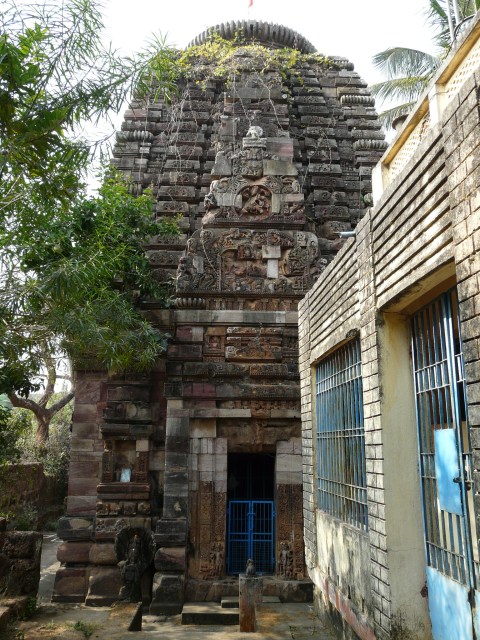
This temple, from the late-7th c, is another example of an early Odia temple without a mandap, like the Shatrughaneshwar group temples (and like Parashurameshwar originally was). Continue reading

This mid-7th c AD temple initially consisted of only the sanctum and tower. The mandap (jagamohan) was added a little later. Continue reading
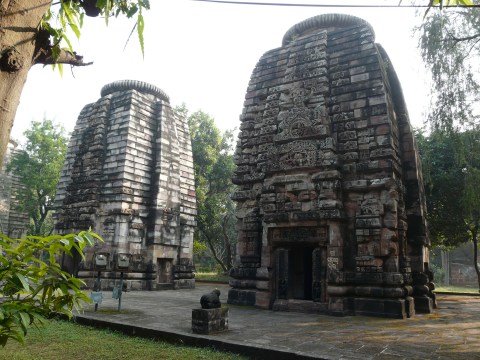
The trio of temples known as the Shatrughaneshwar group are among the earliest examples of Odia temple architecture (early-7th c AD). They individually consist of only a square shrine room with tower rising above, without any mandap in front. While these temples are heavily reconstructed, we get a sense of their original massing. Continue reading

I traveled to Odisha in December 2017 to visit the temples in and around Bhubaneswar that together form the distinct Odia style of temple architecture. One of the main aims was to experience first hand this unique phenomenon in Indian architectural history, of having a relatively close group of monuments not just represent but almost entirely encompass one of the important stylistic traditions of Hindu temple design, stretching from the 7th c AD till the 13th c. Continue reading
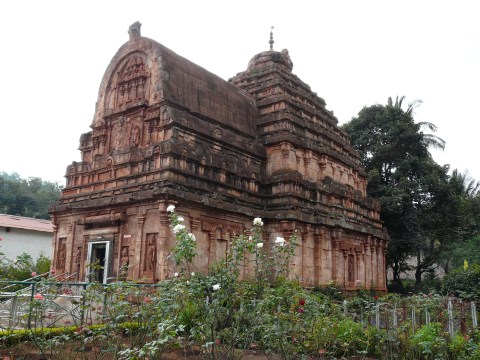
And now for something completely different. During my trip to Hampi/Vijaynagar I also made a quick visit to the Parvati Temple near Sandur, which is a unique Badami Chalukya temple possibly from the 7th or 8th c AD. Continue reading

Photos from sites immediately around Anegundi village. Continue reading

The Sacred Center of Vijaynagar runs along the south bank of the Tungabhadra River. Opposite this, along the north bank of the same section of the river are a set of dispersed monuments and sites Continue reading
 Sarson ke Khet