Between the Narasimha Temple area and Vitthala Temple lie the King’s Balance and adjoining monuments. Continue reading
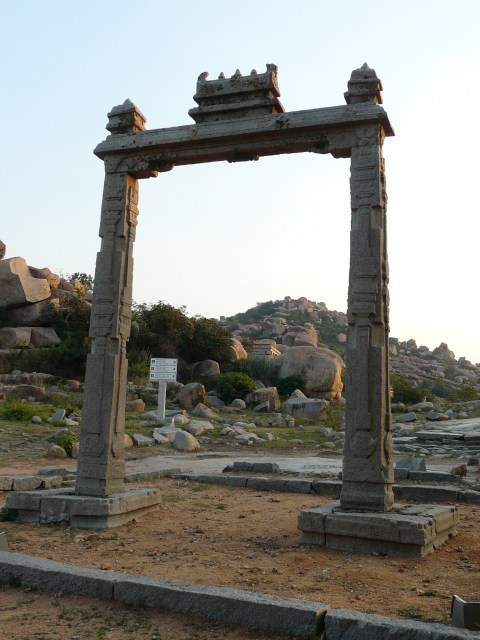

Between the Narasimha Temple area and Vitthala Temple lie the King’s Balance and adjoining monuments. Continue reading

As is so apparent from photos of Vijaynagar’s landscape, the area has very unique geography. Geologically, it consists of a vast bed of exposed granite rock. Continue reading

Achyutaraya’s Temple, also known as Tiruvengalanatha Temple, is a 16th c AD (1534) construction that now lies in ruins. Continue reading

The Virupaksha Temple, Hemakuta Hill and Krishna Temple form the western edge of the Sacred Center of Vjiaynagar. As we walk eastwards from that set of monuments Continue reading
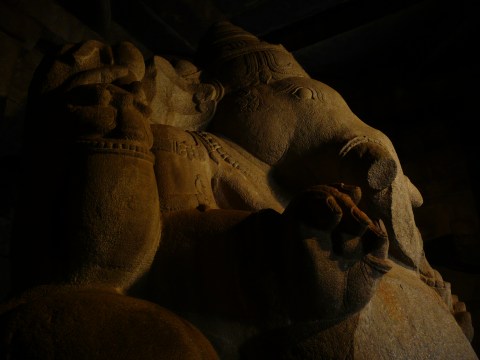
Hampi has a few examples of massive sculptures that have been cut out of the ubiquitous granite boulders that form such an integral part of this landscape. Continue reading
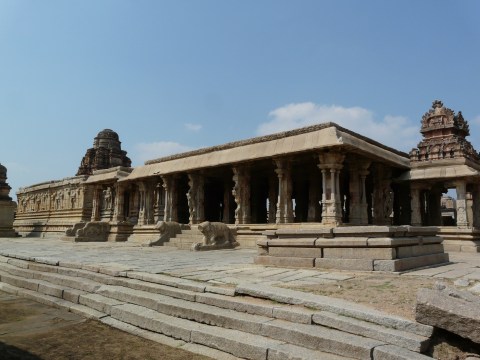
The early-16th c AD Krishna Temple lies to the south of Hemakuta Hill, at the edge of the irrigated valley that separates the Sacred and Royal Centers. Continue reading

Hemakuta Hill is a large expanse of exposed bedrock that rises southwards from the base of Virupaksha Temple, crests and then descends towards the Krishna Temple which lies to the south of the hill. Continue reading
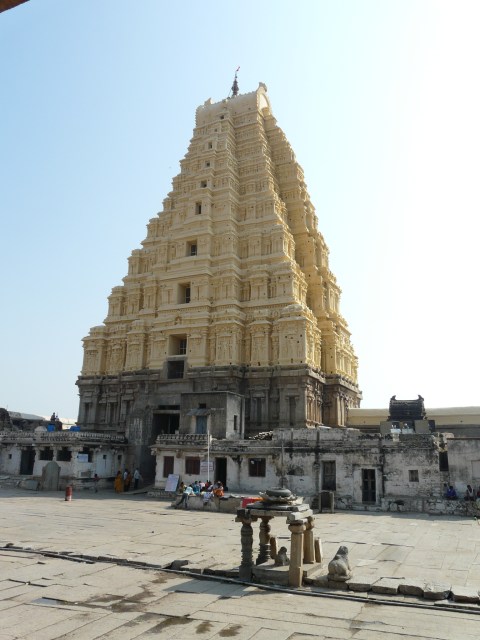
The Virupaksha Temple at Hampi Bazaar is often the first Vijaynagar monument that visitors explore. Continue reading

This series of posts should more rightly have been titled something like “Vijaynagar Vagabonding”, but “Hampi Hopping” has a certain ring to it, so I’m sticking with it! Continue reading

The archaeological site at Agroha, Haryana, commonly called the Agroha Mound, sits right beside NH9. All across the mound where rainwater has created gullies, we can see ancient bricks and walls exposed below surface level. Continue reading
 Sarson ke Khet