This temple, from the late-7th c, is another example of an early Odia temple without a mandap, like the Shatrughaneshwar group temples (and like Parashurameshwar originally was). Continue reading
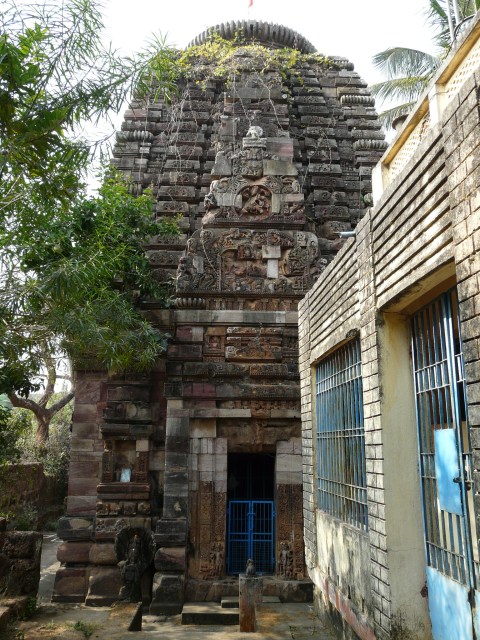

This temple, from the late-7th c, is another example of an early Odia temple without a mandap, like the Shatrughaneshwar group temples (and like Parashurameshwar originally was). Continue reading

This mid-7th c AD temple initially consisted of only the sanctum and tower. The mandap (jagamohan) was added a little later. Continue reading
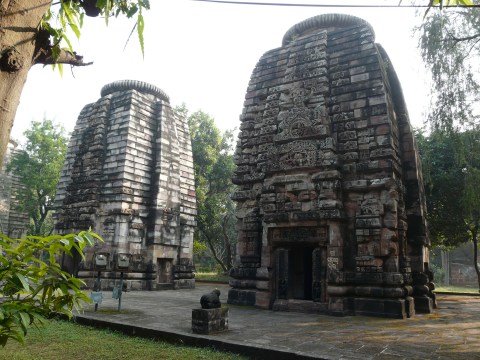
The trio of temples known as the Shatrughaneshwar group are among the earliest examples of Odia temple architecture (early-7th c AD). They individually consist of only a square shrine room with tower rising above, without any mandap in front. While these temples are heavily reconstructed, we get a sense of their original massing. Continue reading

I traveled to Odisha in December 2017 to visit the temples in and around Bhubaneswar that together form the distinct Odia style of temple architecture. One of the main aims was to experience first hand this unique phenomenon in Indian architectural history, of having a relatively close group of monuments not just represent but almost entirely encompass one of the important stylistic traditions of Hindu temple design, stretching from the 7th c AD till the 13th c. Continue reading
 Sarson ke Khet