Two Mughal-era mosques in the Daryagnaj area still give an idea of what they would have been like in centuries past, having not been altered too much. Continue reading
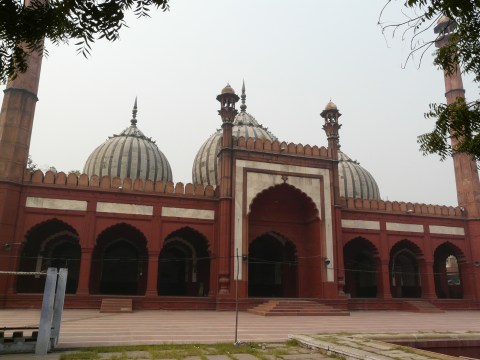

Two Mughal-era mosques in the Daryagnaj area still give an idea of what they would have been like in centuries past, having not been altered too much. Continue reading

The area of Daryaganj is the south-eastern part of the walled city of Shahjahanabad, and used to lie along the banks of the river Yamuna (the floodplain of the river was “shifted” roughly a kilometer to the east by the British), south of the Red Fort. Continue reading
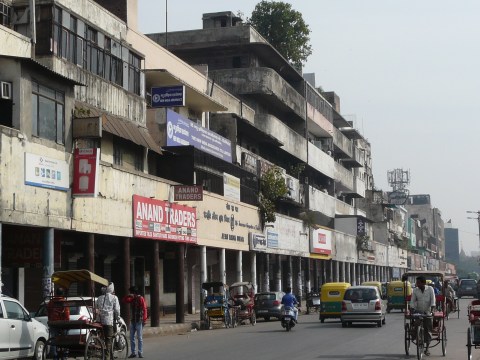
Asaf Ali Road runs along the southern edge of Old Delhi, and is in a way part of the transitional space between Old Delhi and the late-colonial architecture and urban space of Lutyens’ New Delhi to the south. Continue reading

I wanted to revisit a few areas in Old Delhi to take more photos and/or explore more. Continue reading

The Chitli Qabar Bazaar area lies to the south-east of Jami Masjid and west of Daryaganj. Continue reading

Churiwalan Gali starts unassumingly from Chawri Bazaar Road and heads south to a junction of roads including Matia Mahal road and Chitli Qabar Bazaar road. Continue reading

Over the years I have explored the more northerly latitudes of Old Delhi a few times, but not so the southerly areas (other than the Jami Masjid area and the kababi-ilaqa of Matia Mahal). Continue reading
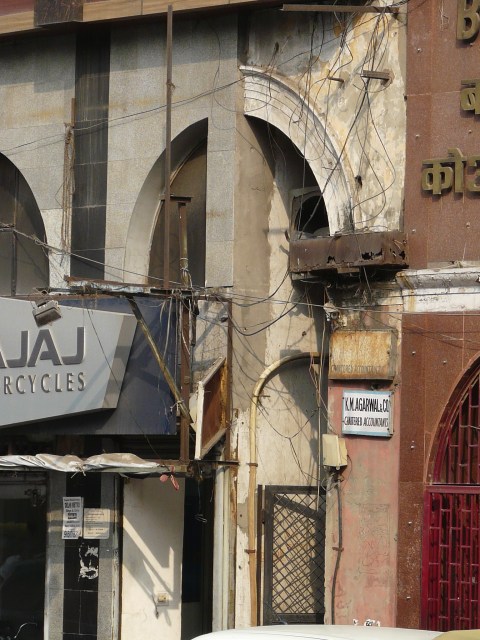
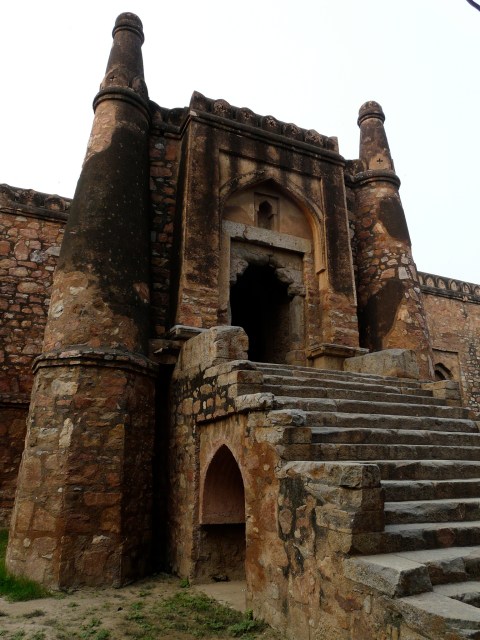
Firoz Shah Tughlaq was well known as a prolific patron of architectural projects, but it seems like his wazir (prime minister) Khan Jahan Junan Shah was the same, credited with commissioning seven major mosques in various parts of Delhi in the second half of the 14th c. Continue reading
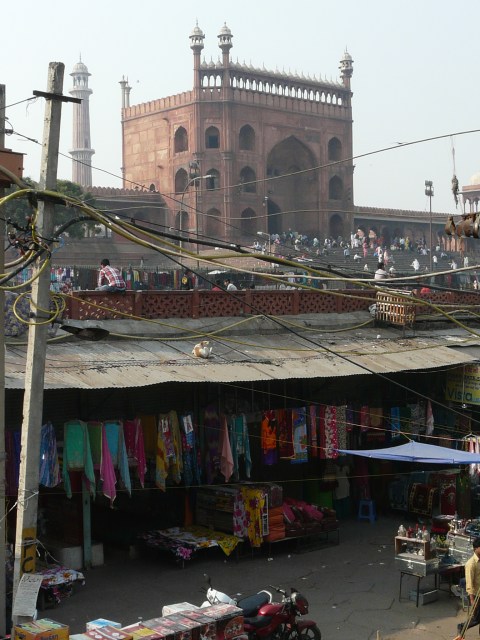
East gateway of the Jami Masjid in Shahjahanabad with Meena Bazaar in the underground foreground. Continue reading
 Sarson ke Khet